

Melbourne summer can place an ageing roof under months of strong sun, ultraviolet exposure, changing temperatures and sudden heavy weather. If faded tiles, brittle pointing, recurring leaks or widespread deterioration are already visible, spring is a practical time to find out whether the roof needs a complete restoration before the hotter months arrive. This guide explains what a full roof restoration should include, what it can—and cannot—do for summer comfort, and how to decide whether restoring the existing roof is the right investment.
Why assess your roof before Melbourne summer?
A roof does not suddenly become unsuitable on the first hot day. The more useful question is whether existing defects are likely to remain manageable through another season of heat, ultraviolet exposure, wind and summer storms. Spring gives homeowners time to arrange a roof-specific inspection, compare a written scope and schedule substantial work without making a rushed decision after a leak or other urgent problem appears.
Melbourne's long-term climate averages put the mean maximum temperature at about 25.9°C in both January and February, but averages do not describe the hotter days that roofs must also experience. In the summer of 2024–25, for example, Melbourne (Olympic Park) recorded a warmest day of 39.8°C. Roof-surface temperatures can be considerably different from the shaded air temperature reported in a weather observation, which is why preparation and product application conditions need to be taken seriously.
An assessment before summer is not a reason to restore every roof. Some roofs need a defined repair, while others remain serviceable with maintenance. A roof that has deteriorated across several slopes may be better suited to a coordinated full roof restoration in Melbourne, and a roof with widespread material failure may require roof replacement. The inspection should be capable of reaching any of those conclusions.
- ✓Allows time to inspect the whole roof before peak summer weather
- ✓Identifies whether deterioration is localised or spread across the roof
- ✓Creates time to compare complete written restoration scopes
- ✓Helps separate necessary preparation from purely cosmetic work
- ✓Reduces pressure to make a major decision after an urgent leak
How summer heat, UV and changing weather affect an ageing roof
Sunlight and weathering act gradually. Older surface finishes can fade or chalk, exposed concrete tiles may become more porous, and sealants or pointing can lose flexibility as the roof ages. Repeated heating and cooling also makes roofing components expand and contract. That movement matters around ridge and hip capping, flashings, fasteners, penetrations and joins, where water entry is often associated with a failed junction rather than the broad middle of a roof plane.
Different slopes can age at different rates. A sun-facing section may show stronger colour loss, while a shaded area beneath trees can retain moisture and organic growth. Valleys and gutters can collect leaf litter, and one storm can expose a weakness that was already developing around a cracked tile, displaced component or deteriorated flashing.
Heat does not prove that a roof requires restoration, and a faded roof is not automatically leaking. The concern becomes stronger when several signs appear together across the roof: widespread coating breakdown, brittle or cracked ridge pointing, many damaged tiles, recurring moisture signs, previous patches in several locations or a generally inconsistent surface. Our guide to the nine signs that can point to a full roof restoration explains those patterns in more detail.
Can a roof restoration make your home cooler?
A roof restoration can renew a suitable roof and allow the homeowner to choose a new compatible finish, but it should not be sold as a stand-alone cure for an uncomfortably hot house. Summer comfort is influenced by the complete building envelope: roof colour and solar absorptance, ceiling insulation, ventilation, glazing, shading, draughts, house orientation and the way rooms are used all contribute.
Australian Government YourHome guidance notes that lighter-coloured roofs generally absorb less solar radiation than darker roofs and that roof insulation is a major part of limiting heat flow into the home. That means colour can be a relevant consideration during a restoration, but it does not replace correctly installed insulation or a broader thermal assessment. A contractor should avoid guaranteeing a specific indoor-temperature or power-bill reduction from roof coating alone.
If summer heat is a major concern, treat the restoration decision and the home-comfort decision as connected but separate assessments. The roof contractor can explain suitable colour and coating options for the roof material. An appropriately qualified insulation, ventilation or building-performance professional can assess the ceiling space and the rest of the home. This creates a more realistic plan than expecting one surface product to do every job.
- ✓Roof colour can influence solar heat absorption
- ✓Insulation remains central to limiting heat transfer through the ceiling
- ✓Ventilation and the wider building envelope also influence comfort
- ✓Product choice must suit the prepared roof surface
- ✓No coating should be presented as a guaranteed cooling result
Seven signs to investigate before the hot months
The safest observations are made from the ground, inside the roof space where safe and accessible, or from photographs taken by a professional. Do not climb onto a roof to complete a summer check. Tiled and metal roofs can be fragile or slippery, and heat makes unsafe access even more hazardous.
One sign on its own may lead to maintenance or a targeted repair. Several signs distributed across the roof can indicate that repeated patches are no longer addressing the whole condition. The purpose of a free roof inspection is to establish whether the roof is a suitable restoration candidate before a colour or package is selected.
- ✓Widespread fading, chalking or loss of the previous finish
- ✓Cracked, loose or deteriorated ridge and hip pointing
- ✓Multiple broken, porous or displaced tiles
- ✓Moss, lichen or debris spread across several roof planes
- ✓Recurring ceiling stains or damp signs after rain
- ✓Several previous patch repairs with new problems appearing elsewhere
- ✓Rust, failing fasteners or coating breakdown on a metal roof
Full restoration, roof painting or a repair: know the difference
A targeted repair addresses a defined defect. It may be the correct response to one cracked tile, an isolated flashing problem or a localised leak on an otherwise serviceable roof. Roof painting focuses on preparing and coating a suitable surface. A complete roof restoration combines condition assessment, agreed repairs, thorough cleaning, material-specific preparation and a compatible finishing system across the roof.
The services can overlap, but the written quote should reveal what you are actually buying. A proposal that says little about tiles, ridges, valleys, flashings, penetrations or post-cleaning inspection may be closer to a painting scope than a full restoration. Conversely, a substantial restoration should not be recommended when a small and durable repair is genuinely all the roof needs.
Roof Makeover Specialist is deliberately focused on substantial roofing projects and does not take on jobs under $5,000. That makes it especially important to establish whether the home needs whole-roof work. If the problem is isolated, a smaller repair specialist may be the more suitable provider; if deterioration is broad and the roof remains serviceable, a complete restoration can address the roof as one coordinated system.
What a complete tiled roof restoration should include
The exact method depends on whether the roof is concrete tile, terracotta tile or metal, its existing finish and the defects found. A professional tiled-roof restoration should nevertheless follow a logical sequence. Inspection comes before specification; cleaning comes before the final repair confirmation; and repairs and substrate preparation come before colour coats.
A standard package without a roof-specific assessment can miss the work that creates the foundation for the visible finish. The step-by-step roof restoration process expands on every stage, while the outline below gives homeowners a practical way to compare summer-ready restoration quotes.
- ✓Inspect roofing material, ridges, hips, valleys, flashings and penetrations
- ✓Plan safe access and protect walls, windows, gardens and neighbouring property
- ✓Pressure clean using a method appropriate for the roof material
- ✓Allow the roof to dry and reassess the exposed surface
- ✓Replace agreed broken tiles and complete the specified ridge work
- ✓Address included flashing, valley and penetration defects
- ✓Apply a compatible primer or sealer where the specified system requires it
- ✓Apply the nominated finish in suitable weather and product conditions
- ✓Complete a final quality, drainage and property-cleanliness check
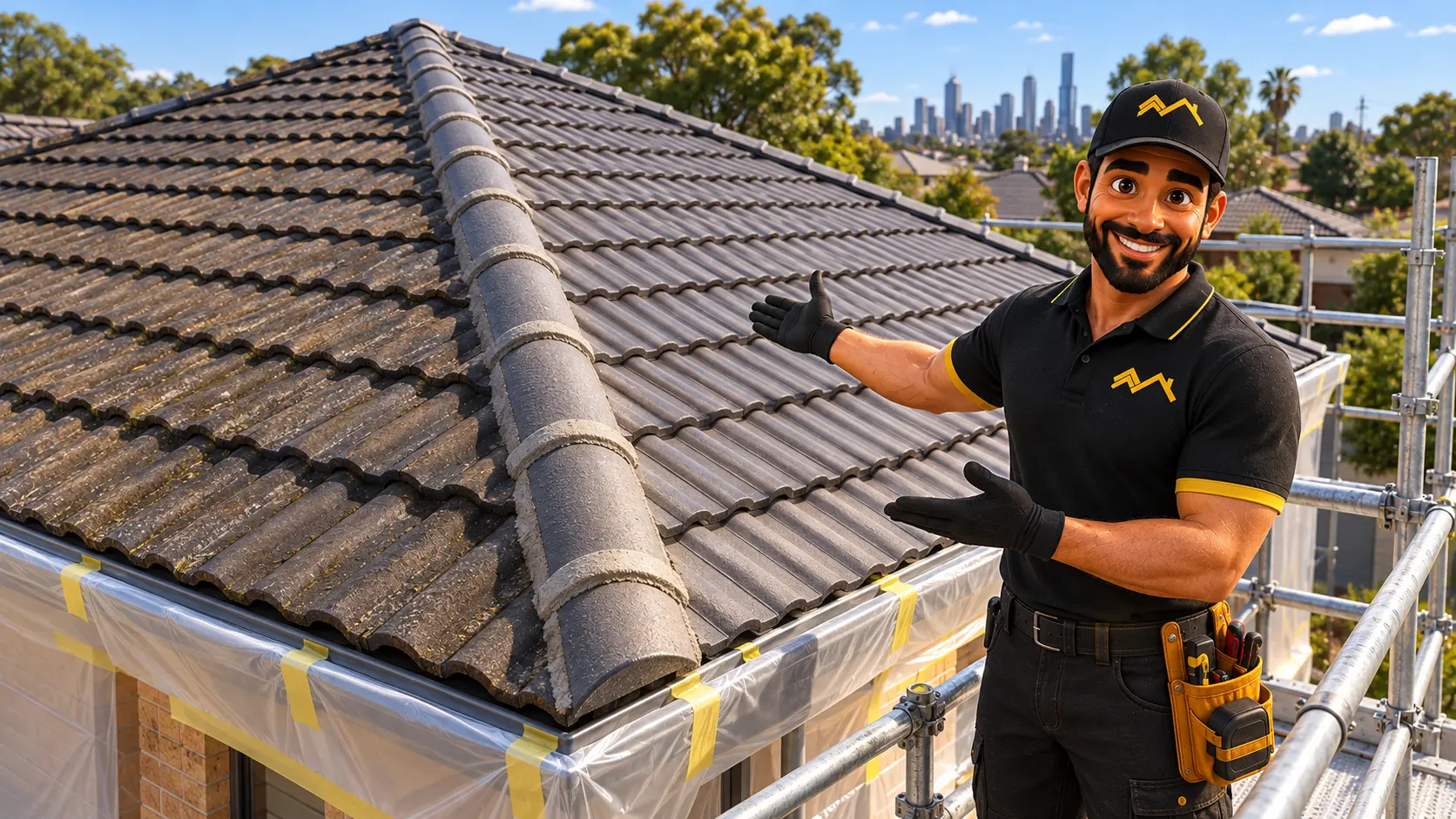
Inspection comes first: is the roof suitable to restore?
Restoration retains the existing roofing material, so that material must still be capable of doing its job after the proposed work. The contractor should inspect the tile or sheet condition, roof geometry, ridges, hips, valleys, flashings, penetrations, drainage and visible signs of movement or water entry. Previous coatings also matter because the new system must be compatible with the surface that remains after preparation.
Concrete and terracotta tiles require different decisions. Concrete tiles are commonly restored when they remain structurally serviceable. Terracotta can be glazed, unglazed, previously coated or heavily weathered, and not every terracotta roof is an appropriate coating candidate. Our tile roof restoration page explains why the method should follow the material rather than a one-size-fits-all package.
The inspection should also identify reasons not to restore. Widespread tile failure, major structural movement, advanced metal perforation or a roof system near the end of its serviceability may make replacement more responsible. The guide to roof restoration versus roof replacement can help homeowners understand the value decision before requesting quotations.
Cleaning, drying and the second inspection
Pressure cleaning removes accumulated dirt, organic growth, chalking and unstable surface material. It is not merely a dramatic before-and-after moment. The real purpose is to expose a surface that can be assessed, repaired and prepared for the specified products.
Cleaning can reveal fine cracks, loose pointing, porous tiles or poorly bonded previous coatings that were less obvious during the initial visit. The roof should therefore be allowed to dry and inspected again. If the exposed condition changes the proposed scope, the contractor should document the issue and explain any variation before additional work proceeds.
Run-off and overspray also need planning. Gutters, downpipes, rainwater tanks, solar equipment, walls, windows, vehicles, gardens and neighbouring properties should be protected appropriately. These controls are part of professional restoration work, particularly in closely spaced Melbourne suburbs.
Tile replacement, ridge capping and weatherproof details
Broken or displaced tiles and deteriorated ridge or hip capping should be addressed before coatings. Depending on condition, loose ridge sections may need rebedding, while suitable existing bedding may allow failed pointing to be removed and replaced with an appropriate flexible pointing product. Painting over cracked mortar or a moving ridge does not repair the underlying defect.
Valleys, flashings and roof penetrations also deserve attention. Water can enter around a junction even when the broad field of tiles looks sound. Skylights, flues, vents, chimneys, antenna mounts and solar installations introduce transitions that need to be considered in the inspection and property-protection plan.
Gutters should be cleared and assessed for obvious deterioration or incorrect drainage. A roof restoration is not automatically a gutter replacement, but blocked or failed rainwater goods can undermine the goal of preparing the property for summer storms. The quote should say clearly whether gutter work is included, excluded or separately recommended.
Primer, sealer and coatings: the surface decides the system
The final finish is only as reliable as the surface beneath it. Tile type, porosity, previous coatings, remaining adhesion and the product manufacturer's requirements determine whether a primer, sealer or another preparation product is needed. More coats do not compensate for incompatible products or a poorly prepared substrate.
Ask the contractor to identify the proposed system, explain the purpose of each stage and confirm how it suits the roof material. A phrase such as premium three-coat system is not enough by itself. Homeowners should understand which coat prepares or seals the surface and which coats provide the nominated colour and protective finish.
Application conditions matter just as much as product names. Roof-surface temperature, moisture, wind, rain risk and drying intervals can all affect the schedule. It is more professional to pause for suitable conditions than to compress the job simply to meet an optimistic completion date.
Choosing a roof colour for summer
Colour is a visible design choice, but it also affects how much solar energy a roof surface absorbs. In general, lighter colours have lower solar absorptance than darker colours within a comparable product range. Manufacturers publish solar-absorptance information for specific colours, and those product figures are more useful than assuming every paint with a similar-looking colour performs identically.
That does not mean every Melbourne home should receive the lightest roof available. Existing brickwork and cladding, planning or heritage controls, neighbouring character, product compatibility and personal preference all matter. The aim is to make an informed choice while recognising that ceiling insulation and the rest of the building envelope remain critical to indoor comfort.
Ask to see physical colour samples in daylight and confirm the exact product and colour name in the written quote. Do not rely entirely on a phone screen, printed brochure or edited photograph. A carefully selected finish should make sense for the home as well as the prepared roof.
Do metal roofs need a different summer-restoration approach?
Yes. Corrugated metal roofing introduces different defects and preparation decisions from tiled roofing. Fasteners and washers, laps, flashings, corrosion, previous coatings and penetrations all need inspection. Surface rust may sometimes be treatable when the metal remains serviceable, while deep corrosion, widespread metal loss or perforated sheets can make replacement the safer recommendation.
Metal also expands and contracts as temperature changes, so movement around fixings and junctions is especially relevant. Coating over rust or aged sealant without preparing the affected areas is not a complete restoration. The proposed primer and finish must be compatible with the identified metal and the surface left after preparation.
Our metal roof restoration service and guide to restoring a rusted tin roof include genuine Melbourne project photographs and explain when restoration may be practical. A summer-readiness assessment should always follow the actual roof material.
Summer storms, gutters and drainage paths
Preparing for summer is not only about sunlight. Heavy rain and wind can test roof junctions, move loose debris and overwhelm blocked drainage paths. Valleys, gutters and downpipes need a clear route for water, while cracked tiles or deteriorated flashings can allow wind-driven rain to reach areas that stay dry in gentler weather.
Leafy properties may need more frequent gutter checks, particularly after windy conditions. From the ground, look for sagging, staining, overflowing during rain or vegetation growing from gutters. Do not access the roof or climb a ladder in unsafe conditions. If water is not draining correctly, have the cause assessed before assuming a roof coating will solve it.
A restoration quote should distinguish roof-surface work from drainage upgrades. Cleaning debris as part of the job is different from replacing failed gutters or redesigning capacity. Clear exclusions help prevent a homeowner from believing an unrelated stormwater problem has been included.
How long should you allow before summer?
There is no universal lead time or project duration. Roof size, pitch, access, material, repair requirements, drying time, product specifications and weather all affect the schedule. Many residential restorations take several working days once work begins, but quotation, product selection and suitable weather windows also need to be allowed for.
Starting the conversation during spring gives the process room to breathe. It allows time for the inspection, a written scope, questions about products, colour selection and scheduling. If conditions turn unsuitable during the project, the contractor can delay an application stage rather than rush it because summer has already arrived.
Booking early does not mean work should proceed in unsuitable conditions. Rain, heavy dew, strong wind or extreme roof-surface temperatures can interrupt cleaning or coating stages. The correct timing is the combination of a prepared roof, safe access, a clear forecast and the product's application requirements.
How to compare full roof restoration quotes
Two quotes can use the same words while promising very different work. Compare the complete scope rather than only the price or number of coats. The quotation should connect visible roof condition to the proposed cleaning, repairs, preparation and finishing system, and it should explain how unexpected defects revealed after cleaning will be handled.
A lower figure may be reasonable when the roof genuinely needs less work. It may also omit ridge repairs, tile replacement, property protection or a necessary preparation stage. Our Melbourne roof restoration cost guide explains the factors behind a roof-specific price. Ask questions until you can see why each item is included.
Avoid universal claims about lifespan, cooling performance or one product suiting every roof. Product performance depends on the substrate, preparation, application, exposure and maintenance. Any warranty should be read for its actual coverage, conditions and responsible party.
- ✓Is the roofing material and existing finish identified?
- ✓Which tiles, ridges, valleys, flashings and penetrations are included?
- ✓How will the roof be cleaned, dried and reassessed?
- ✓Which primer, sealer and colour products are specified?
- ✓How will surrounding property and solar equipment be protected?
- ✓What is excluded and how are variations approved?
- ✓What final inspection and site clean-up are included?
A practical pre-summer roof checklist
Begin with observations you can make safely. Walk around the property from ground level, check ceilings for old or new stains and note which roof slopes look most weathered. During rain, observe whether gutters overflow and where water appears to discharge. Keep photographs and previous roofing documents together so the contractor has useful background information.
If deterioration appears widespread, book a roof-specific assessment instead of adding another cosmetic patch. Review genuine completed work in our roof restoration project gallery, then compare the proposed scope with the stages in this guide. The objective is not to make the roof look new for a photograph; it is to complete the repairs and preparation that allow a suitable roof to receive a coherent finish.
For Melbourne homeowners considering a substantial whole-roof project, Roof Makeover Specialist offers free roof inspections subject to safe access and service availability. We focus on full restorations and other major roofing work, with no jobs under $5,000, and we do not provide pre-purchase inspections. Call **1300 ASK 4 US** or use the enquiry form on our Roof Restoration Melbourne page to discuss whether your roof is ready for summer.
- ✓Check ceilings for stains or damp odours
- ✓Observe fading, moss, broken tiles and uneven ridge lines from the ground
- ✓Watch for gutter overflow during rain
- ✓Gather previous quotes, invoices and product information
- ✓Arrange an inspection if problems appear across several roof areas
- ✓Compare the complete restoration scope—not only colour and price
Common questions
Summer Roof Restoration FAQs
Is spring a good time to restore a roof in Melbourne?+
Spring can be a practical time to arrange an inspection and plan a restoration before the hotter months, but work should proceed only when the forecast, roof-surface conditions and product requirements are suitable. Roof condition, access and repair needs also determine the timing.
Can roof restoration make a Melbourne house cooler in summer?+
A compatible lighter-coloured finish may absorb less solar energy than a darker option, but roof restoration alone cannot guarantee a cooler house or lower power bills. Insulation, ventilation, glazing, shading and the broader building envelope are also important.
Does hot weather damage roof tiles?+
Heat and ultraviolet exposure contribute to long-term weathering, while repeated temperature changes create movement in roofing components. Hot weather alone does not prove tiles need restoration; the whole roof should be assessed for material condition, cracks, pointing, coatings and junction defects.
What does a full roof restoration include?+
A full restoration generally connects inspection, safe access, property protection, cleaning, drying, agreed repairs, material-specific preparation, compatible primers or sealers where required, finishing coats and a final quality check. The exact scope must suit the roof material and condition.
How far before summer should I book a roof restoration?+
There is no fixed lead time. Starting during spring leaves more time for inspection, quotation, product and colour decisions, scheduling and weather delays. Project duration also varies with roof size, pitch, access, repairs, drying time and product specifications.
When is roof replacement better than restoration?+
Replacement may be more appropriate when roofing material has widespread structural failure, metal sheets are deeply corroded or perforated, tiles are extensively deteriorated, or the roof system cannot provide a dependable base for restoration. A roof-specific inspection should determine suitability.